
Cooling will be better and electricity consumption will be lower! Keep this much gap between the refrigerator and the wall
Refrigerator Tips: If you keep your refrigerator close to the wall to save space, doing so could be harmful. Today, we'll tell you how much gap should be between the refrigerator and the wall, and why.
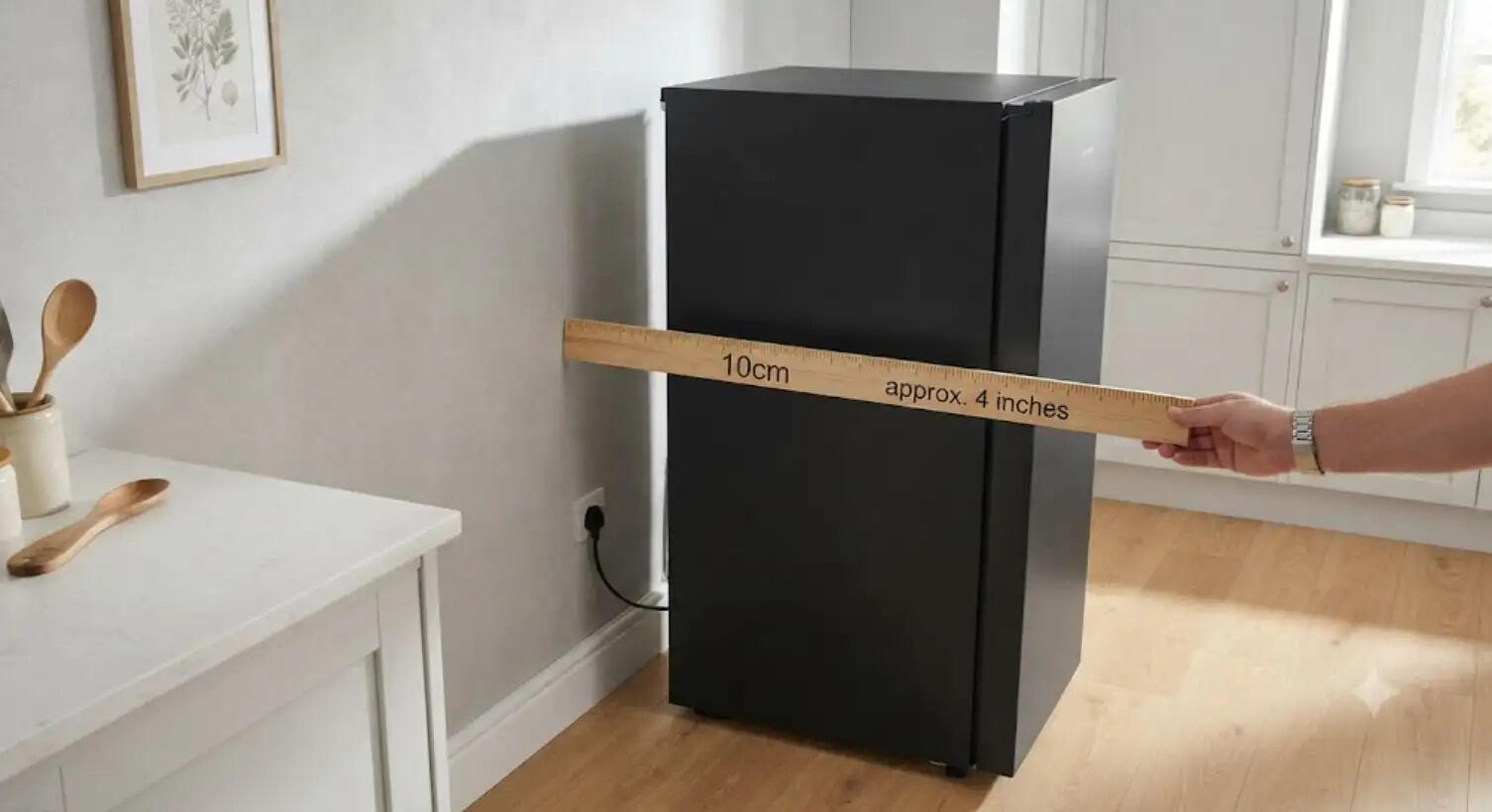
RJ Kesari News Desk: If you've ever placed your refrigerator against the wall to save space, you're not alone. Most of us do this without a second thought.
It just seems like a neat, sensible thing to do, especially in small Indian kitchens where every inch counts. The compressor and condenser coils, which are usually located at the back or sides, also need some space.
When they're placed against the wall, the heat they generate can't escape, meaning the appliance has to work harder to keep your food cold.
Over time, this increased strain not only shows up on your electricity bill but can also quietly damage the compressor and shorten the refrigerator's lifespan. There's a way to avoid this, and it's inexpensive.
Why and how much gap is necessary?
According to Moneycontrol, condenser coils release heat as part of the cooling cycle, and that heat needs to be expelled from the refrigerator . If the back of the refrigerator is flush with the wall, hot air cannot be properly expelled and will continue to recirculate.
This forces the compressor to run longer and more frequently to maintain the set temperature inside. Leaving a gap of at least 4 to 6 inches at the back and a few inches on the sides allows air to circulate freely around the coils.
While most people only think about cooling performance, a compressor constantly working harder due to poor airflow will wear out faster.
You may not notice it right away Fridges don't usually break down overnight, but you may start to notice signs like longer run cycles, a warmer-than-normal interior, or an unusually high electricity bill.