
RBI’s New Digital Fraud Compensation Rule: Victims May Get Up to ₹25,000 Under Proposed Framework
The RBI has proposed a new compensation framework for victims of digital banking fraud. Eligible customers may receive up to ₹25,000, subject to specific conditions. Here's who qualifies and how to claim.
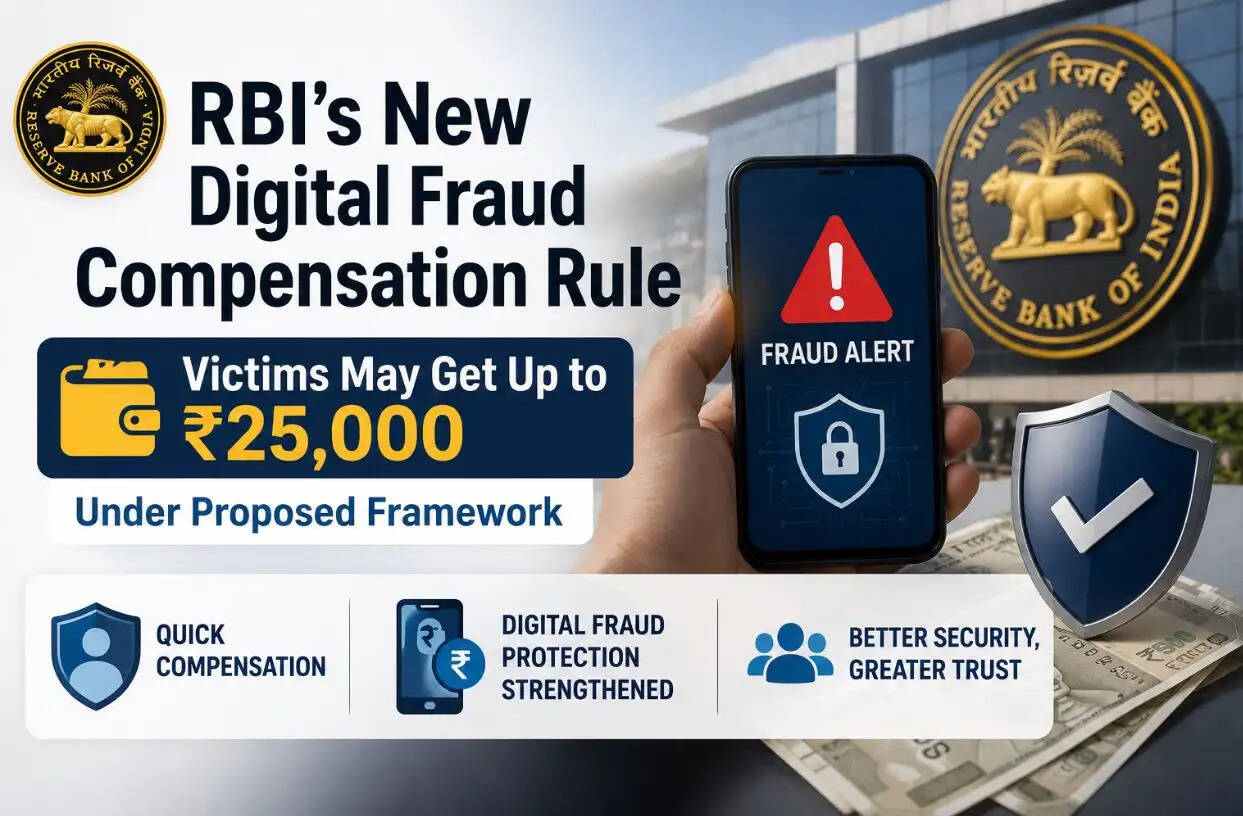
RJ Kesari News Desk: As UPI transactions, internet banking, and digital payments continue to grow across India, cyber fraud cases have also increased significantly. To strengthen customer protection, the Reserve Bank of India (RBI) has proposed a new compensation framework that could provide financial relief to victims of online banking fraud.
Under the proposed rules, eligible customers who suffer losses due to digital banking fraud may receive compensation of up to ₹25,000, provided they meet certain conditions.
Important: This is currently a draft proposal issued by the RBI and is not yet in force.
Who Will Be Eligible for Compensation?
According to the RBI's draft framework, customers who suffer a financial loss of up to ₹50,000 in eligible digital banking fraud cases may qualify for compensation.
The proposed compensation will be:
- 85% of the financial loss, or
- ₹25,000, whichever is lower.
This proposal is aimed at providing quicker financial relief to victims of smaller-value digital frauds.
Which Transactions Will Be Covered?
The draft proposal is expected to cover most common digital payment methods, including:
- UPI transactions
- Internet banking
- Mobile banking
- Debit card payments
- Credit card transactions
- Card swipe and tap payments
- Online card payments
If the fraud occurs through an eligible digital banking channel, customers may be able to claim compensation under the proposed framework, subject to RBI's final guidelines.
Key Conditions You Must Meet
To become eligible for compensation, customers will need to follow specific reporting requirements.
These include:
- Immediately inform your bank after discovering the fraud.
- Report the incident on the National Cyber Crime Portal or call the cyber helpline (1930).
- File the complaint within five days of the fraudulent transaction.
Failure to report the fraud within the prescribed timeline may result in the customer becoming ineligible for compensation.
When Will the New RBI Rule Take Effect?
The RBI has not yet implemented the new compensation framework.
According to the draft proposal, the implementation timeline has been extended, and the framework is expected to come into effect from January 1, 2027, subject to final approval.
Only frauds occurring after the rules are officially implemented would be covered under the new system.
How Will the Compensation Be Shared?
As per the proposal, the financial burden of compensation will be shared among:
- Reserve Bank of India (RBI)
- Customer's bank
- Beneficiary bank, where applicable
The objective is to create a stronger consumer protection mechanism while increasing public confidence in India's rapidly expanding digital payment ecosystem.
Why This Proposal Matters
India has witnessed explosive growth in digital payments over the past few years, especially through UPI and mobile banking platforms.
However, cybercriminals have also become more sophisticated, targeting users through:
- Fake payment links
- Phishing scams
- OTP fraud
- Screen-sharing scams
- QR code fraud
- Fake customer care calls
The proposed RBI compensation framework aims to encourage customers to report fraud quickly while providing partial financial protection in eligible cases.
What Should You Do If You Become a Victim of Digital Fraud?
If you suspect unauthorized transactions, act immediately:
- Notify your bank without delay.
- Call the National Cyber Crime Helpline at 1930.
- File a complaint on the National Cyber Crime Reporting Portal.
- Save screenshots, SMS alerts, transaction IDs, and all supporting evidence.
- Block your debit or credit card immediately if required.
Financial experts say that reporting fraud promptly not only increases the chances of recovering lost funds but also helps law enforcement agencies trace cybercriminals more effectively.