
The rupee has weakened considerably, from petrol and diesel to mobile phones… what all can become expensive!
The Indian rupee has fallen to a record low against the US dollar. This decline will now have a direct impact on the budget of ordinary people. The rise in crude oil prices could increase the cost of petrol and diesel, as well as everyday items. The cost of smartphones, foreign travel, and children's education will also increase. However, IT and pharmaceutical industries will benefit.
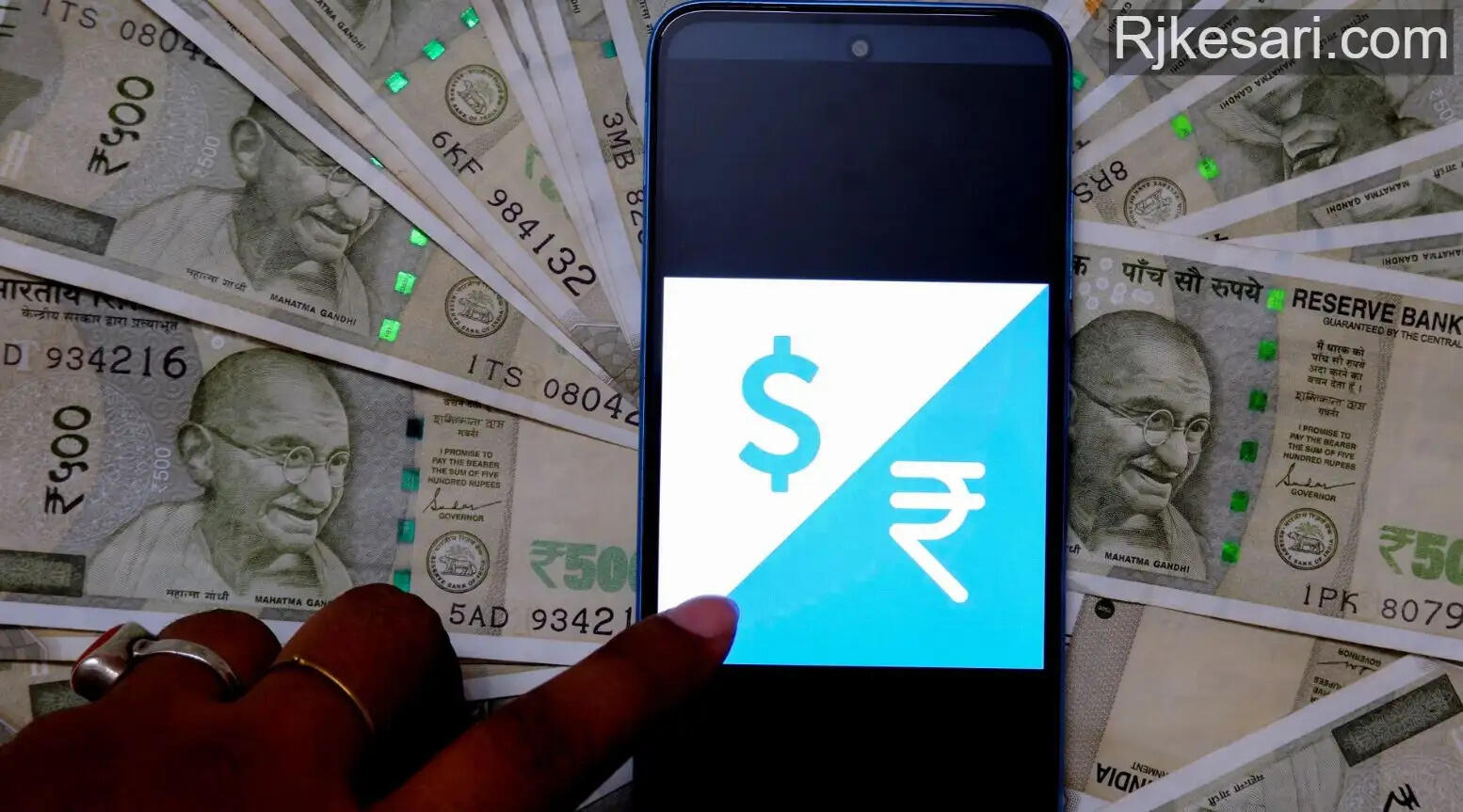
The Indian rupee has fallen to its lowest level against the US dollar, facing pressure. If this rupee weakness continues for a few more days,
everything from the smartphone you hold to the petrol you use in your car could become more expensive. Let's understand how much this currency market turmoil could impact the lives of the common man.
Why is the rupee falling?
The biggest reason behind the rupee's deteriorating health is crude oil. Due to ongoing tensions in West Asia, global crude oil prices have surpassed $100 per barrel. India buys approximately 85% of its oil needs from abroad.
Higher oil prices mean we have to pay more dollars for it. When dollar demand suddenly increases in the market, the rupee naturally weakens. Additionally, the strengthening of the US dollar globally and the rise in US bond yields have also shaken currencies worldwide.
A direct attack on your pocket
The first impact of this rupee depreciation will be felt on the goods we import. If you're planning to buy a new laptop, gaming console, or camera, you may have to loosen your purse strings.
Companies will have to spend more money to pay foreign suppliers. This increased cost will ultimately be passed on to the average consumer. Not just electronics,
but many key sectors like aviation, chemicals, and automobiles rely heavily on imports for their raw materials. When freight and logistics costs rise, the direct impact is felt in the form of higher prices for essential items like groceries, food delivery, and everyday essentials.
Traveling abroad is no longer cheap.
Are you planning a trip abroad for the holidays, or are your children studying at a foreign university? If so, this rupee's decline may increase your worries. Now, you'll have to pay more rupees to buy a dollar.
This means that hotel bookings, food, and shopping bills abroad will increase significantly.
Furthermore, the financial burden on the families of students attending foreign universities will also increase significantly, as the cost of living there will increase significantly in rupee terms.
This decline also has some advantages.
Every coin has two sides. This record-breaking rupee drop isn't harming everyone. This news could prove beneficial for companies that sell their products abroad.