
Swiggy Instamart Under Regulatory Fire: FSSAI Slams Quick-Commerce Platform with 9 Notices Over Rotten and Expired Food
In a major blow to India’s fast-growing quick-commerce sector, the Food Safety and Standards Authority of India (FSSAI) has officially issued nine separate statutory notices to Swiggy Instamart.
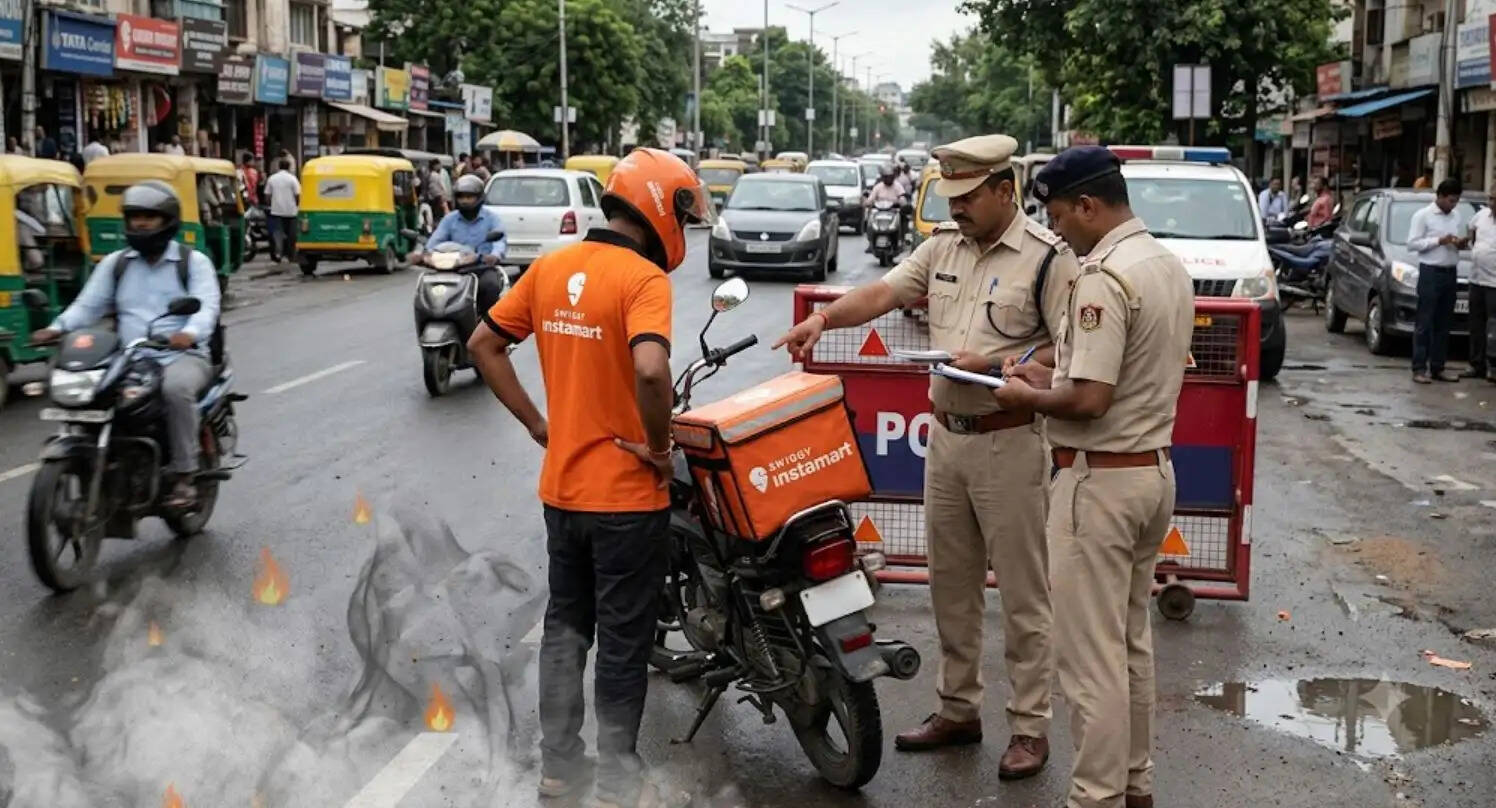
RJ Kesari News Desk: The regulatory crackdown follows a wave of severe customer complaints accusing the platform of distributing expired, rotten, and contaminated food items, presenting a direct threat to public health.
The national apex food regulator has ordered the quick-commerce giant to submit an exhaustive compliance and explanation report within a strict, stipulated deadline. Should the company fail to provide a satisfactory defense, it faces serious legal prosecution under the Food Safety and Standards Act, 2006.
🚨 The Core Accusations: What Triggered the Notices?
The FSSAI intervention highlights shocking operational lapses at Swiggy Instamart's dark stores (local delivery warehouses) and vendor partner networks.
The Red Flag Category: An infant food formulation was delivered to a customer in a severely deteriorated, unsafe, and contaminated condition due to improper climate-controlled storage. Shockingly, after the distressed customer returned the hazardous baby food, the platform allegedly reshipped the exact same defective item to another order.
The dynamic regulatory investigation uncovered several high-profile product failures, including:
-
Expired Health Supplements & Snacks: Batches of Healthify 100% Whey Protein (1 kg) and Noice Homestyle Madras Mixture with Peanuts were intentionally fulfilled and delivered well past their official expiry dates.
-
Decomposed Perishables: Akshayakalpa Organic Eggs and fresh milk shipments were delivered rotten, emitting foul odors, and showing advanced signs of bacterial contamination.
-
Unsanitary Prepared Food: Shipments of Kakke da Paratha reached consumers in a spoiled state. Despite formal escalations, Instamart failed to execute any internal corrective actions.
🔏 Licensing Discrepancies and Mock Grievance Redressal
Beyond physical food contamination, the FSSAI exposed deep structural and administrative flaws in how Swiggy Instamart manages its online marketplace ecosystem.
| Area of Violation | Specific Regulatory Finding |
| Unapproved Brand Sales | The platform marketed and distributed NOICE Eggs under a brand name entirely omitted from product categories approved under its active FSSAI license. |
| Ghost Registrations | Multiple dark store partners and listed Food Business Operators (FBOs) were operating with invalid, expired, or non-existent FSSAI numbers, frequently under ghost names that failed to match official state registrations. |
| Deficient Grievance Handling | Instead of initiating safety recalls or filing Corrective and Preventive Actions (CAPA), Swiggy’s customer support frequently brushed off severe biological hazards by offering simple financial refunds without escalating the health risks. |
📋 The Roadmap Demanded by Regulators
The FSSAI has demanded that Swiggy Instamart provide a transparent, data-backed Root Cause Analysis regarding its storage and fulfillment failures. To avoid immediate suspension of operating licenses, the company must provide complete clarity on its internal systems, including:
-
Inventory Management & Stock Rotation: Proof of automated systems that flag and block expired products from being dispatched.
-
Cold Chain & Sanitation Protocols: Detailed overhauls of dark store hygiene, pest control, and temperature maintenance for fresh dairy, poultry, and meat.
-
Vendor Onboarding Reform: A robust vetting framework to verify the validity of every third-party supplier’s registration before they go live on the app.