
Indian Railways is writing a new history, understand with which technology the hydro train is running on the tracks?
Indian Railways has launched a new train that runs neither on diesel nor electricity, but rather, it's a hydrogen train. Today, we'll provide detailed information about the technology the Railways has used to run this train.
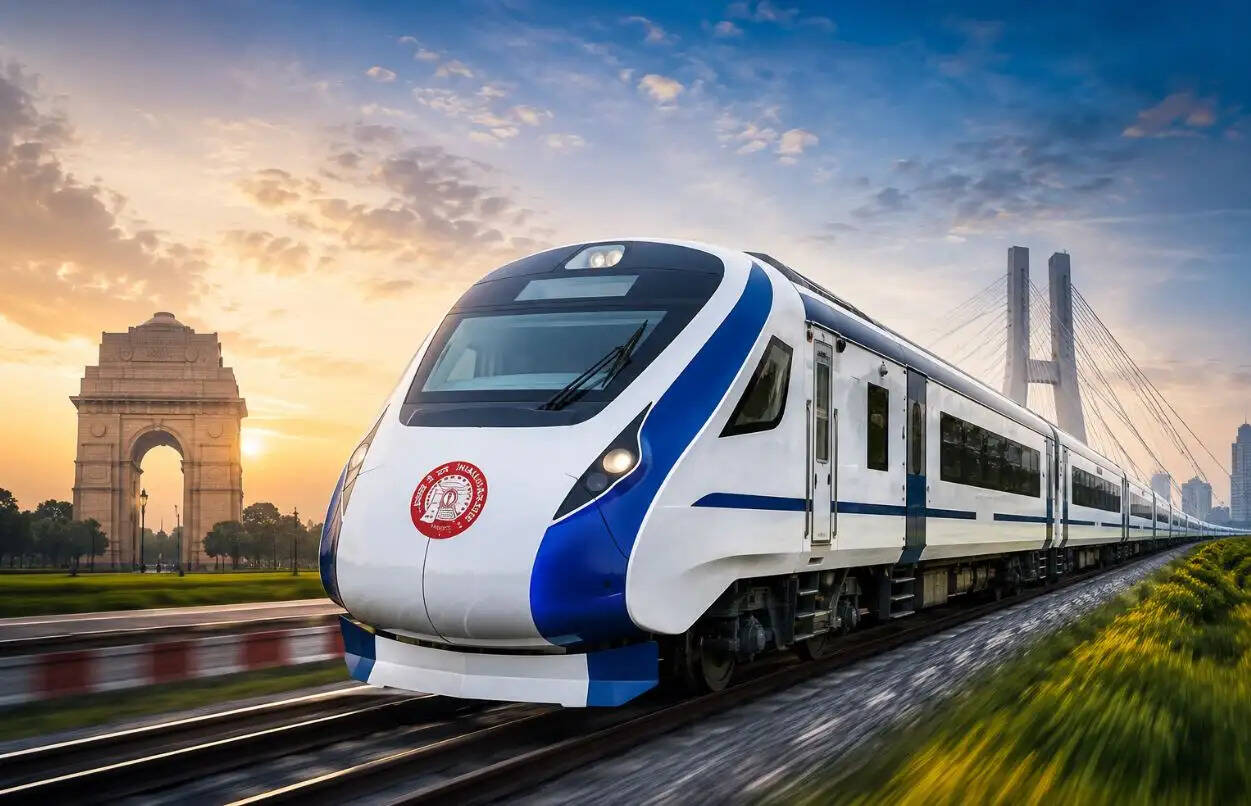
RJ Kesari News Desk: Indian Railways is about to write a new history. The Indian Railways has launched the first hydrogen-powered train between Jind and Sonipat in Haryana. Built using indigenous technology, this train is quite unique in terms of technology. What makes this train unique is that it runs neither on diesel nor electricity, but rather on advanced hydrogen fuel cell technology.
With this train, Indian Railways is entering a new era of clean and sustainable transportation. Hydrogen fuel cell technology has emerged as an alternative to fossil fuel-based traction systems worldwide. Hydrogen fuel cell technology will play a major role in converting hydrogen into electricity through a chemical reaction.
Primary Energy Source: Its primary energy source is a PEMFC (Proton Exchange Membrane Fuel Cell). This is a fuel cell that generates electricity from the reaction of hydrogen and oxygen on a PFSA (Proton Conducting Perfluorosulfonic Acid) polymer membrane.
Water vapor, not smoke: This process produces only water vapor and heat as byproducts. Hydrogen is a high-energy fuel, has low maintenance costs, and a manageable carbon footprint.
Train speed and passenger capacity
This hydrogen train has a design speed of 110 kmph, but is approved to operate at a maximum speed of 75 kmph. The train has a passenger seating capacity of 2,600. The country's largest railway hydrogen storage and refueling facility has been built in Jind, Haryana.
This facility stores approximately 3,000 kg of hydrogen at a time. The Petroleum and Explosives Safety Organization (PESO) has granted the necessary license. The license covers on-site storage and dispensing of compressed hydrogen gas.