
Highest Efficiency Solar Panel: Two Revolutionary Technologies That Can Generate Power Even Without Intense Sunlight
As solar energy continues to evolve, the industry is witnessing breakthroughs similar to those seen in artificial intelligence (AI) and smartphones. The latest generation of high-efficiency solar panels is designed to generate electricity not only from direct sunlight but also from low-light and reflected-light conditions.
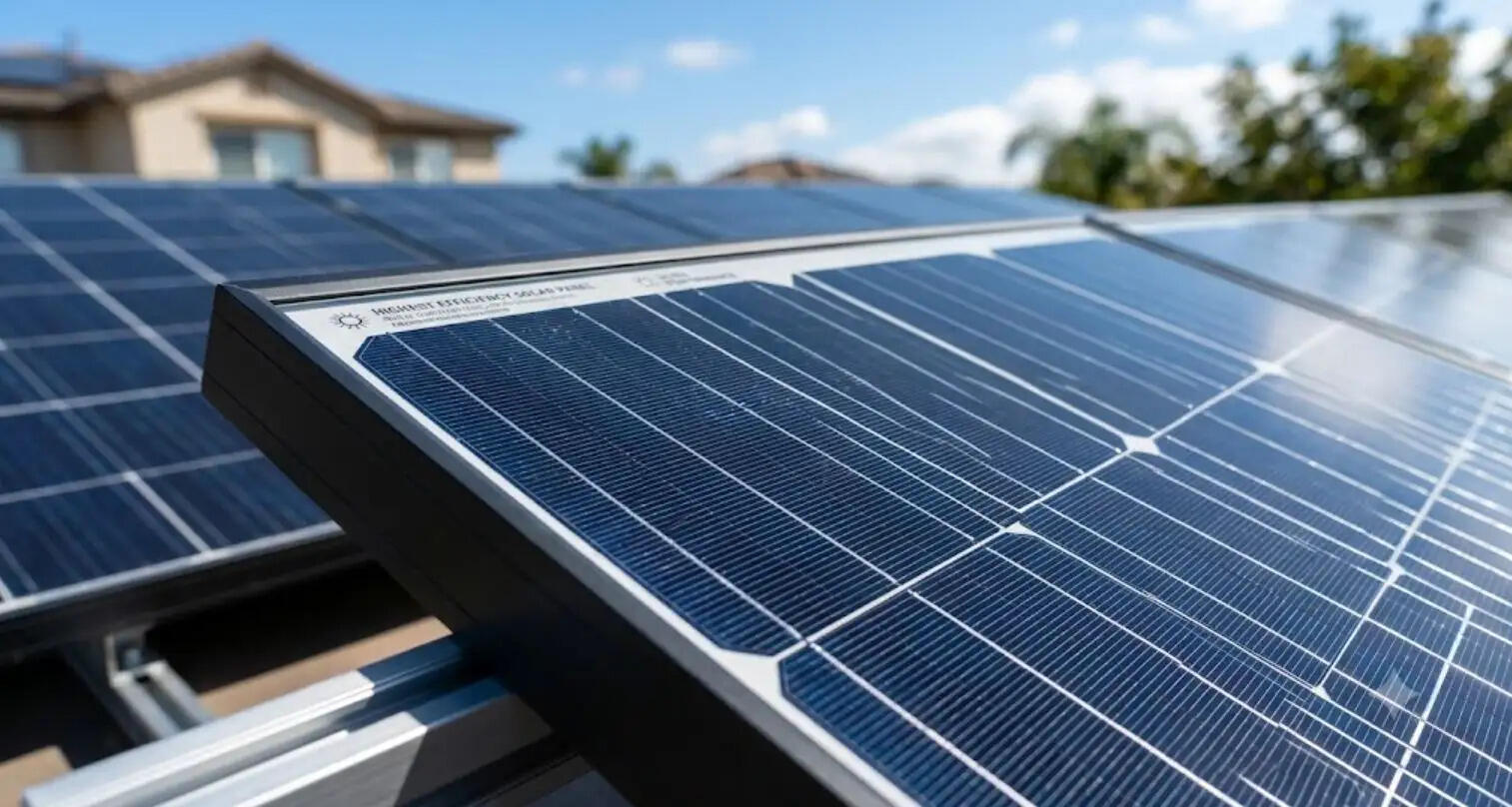
RJ Kesari News Desk: If you're planning to install a solar panel system, understanding these advanced technologies can help you make a smarter long-term investment.
1. Perovskite Solar Cells: The Future of Solar Energy
Perovskite Solar Cells are widely regarded as one of the most promising innovations in solar panel technology. Unlike conventional solar panels, these cells can capture both visible light and infrared light, allowing them to produce more electricity under a wider range of lighting conditions.
Laboratory tests have demonstrated efficiency levels exceeding 30%, while real-world performance is expected to surpass 27%, making them significantly more efficient than many traditional silicon-based panels.
Another major advantage is their manufacturing process. Since they can be produced at relatively low temperatures, production costs could decrease substantially as the technology matures.
Key Advantages
- Excellent performance in low-light conditions
- Potential efficiency of over 30%
- Lightweight and flexible design
- Lower manufacturing costs in the future
Current Limitations
- Performance can decline under high heat and humidity
- Large-scale commercial production is still under development
2. TOPCon Bifacial Solar Modules: Higher Power from Both Sides
TOPCon (Tunnel Oxide Passivated Contact) Bifacial Solar Modules represent another major advancement in the solar energy industry.
Unlike conventional panels that generate electricity only from sunlight hitting the front surface, bifacial solar panels can capture light from both the front and the rear. They also utilize reflected sunlight from surfaces such as the ground, rooftops, water bodies, and concrete, significantly increasing total energy generation.
This dual-sided design enables better performance even on cloudy days or in areas with moderate sunlight.
Key Advantages
- Generates electricity from both sides
- Higher overall energy output
- High-efficiency silicon cell technology
- Better performance in low-light environments
- Produces more electricity than conventional solar panels
Current Limitations
- Higher upfront installation cost
- Performance may decrease if excessive shading occurs
Which Solar Panel Technology Is Better?
Both technologies offer significant advantages, but they serve different purposes.
- Perovskite Solar Cells are considered the future of high-efficiency solar panels because of their exceptional efficiency and lower production costs. However, they are still in the early stages of commercial adoption.
- TOPCon Bifacial Solar Modules are already widely available and are becoming the preferred choice for residential, commercial, and industrial solar installations due to their proven performance and higher electricity generation.