
Grid failure or lack of storage… why is solar power being wasted on a large scale in the country?
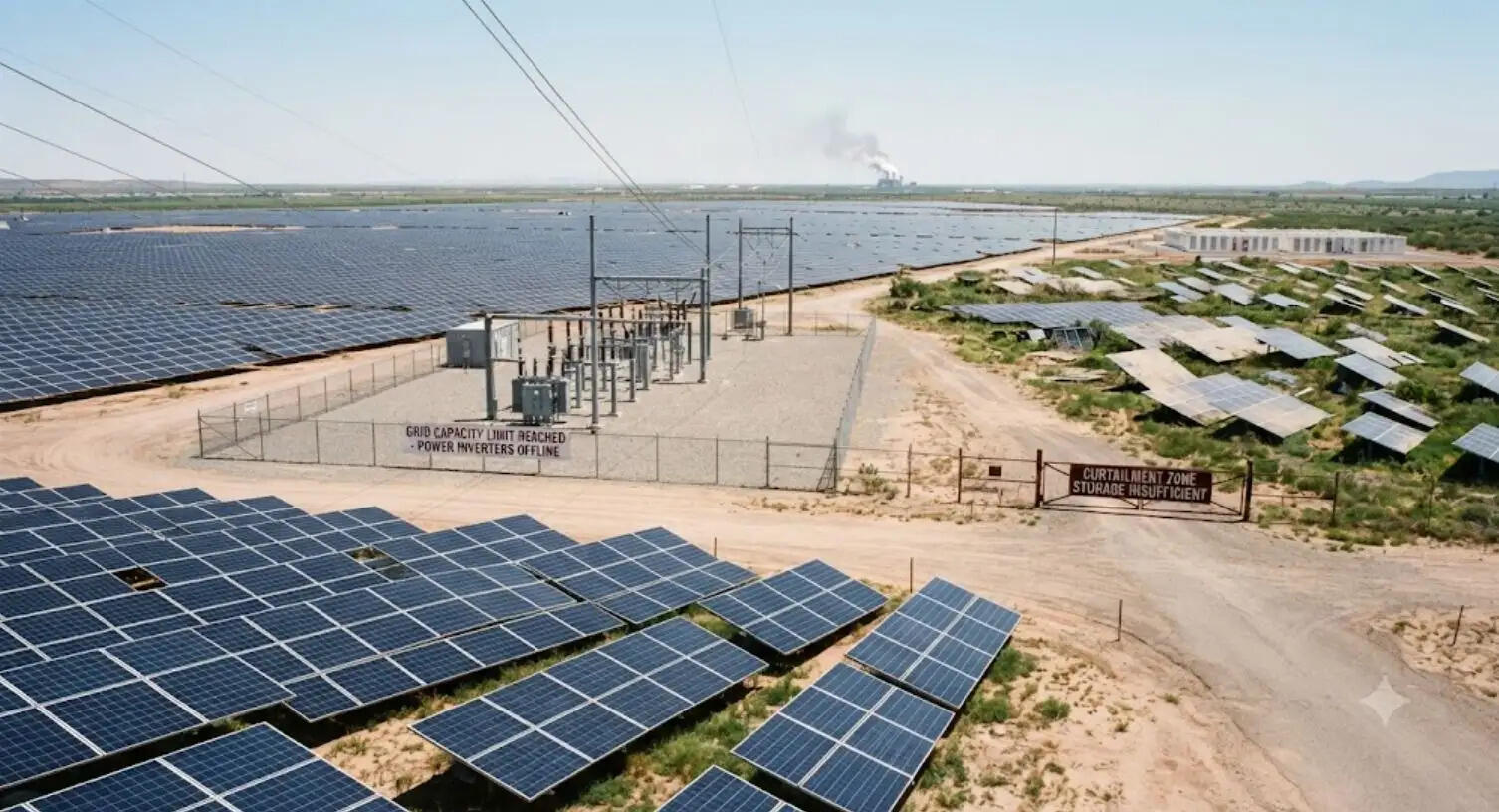
The country has a huge demand for electricity, but due to a lack of grid and storage capacity, 11 terawatt-hours of solar energy has been wasted over the past 15 months. This energy would have been enough to power 10 million homes.
RJ Kesari News Desk: During the peak of summer, when India's electricity demand skyrocketed, excessive use of air conditioners at night created significant supply constraints.
While there was a high demand for electricity, renewable energy companies were being asked to reduce their production. This was because the country had more clean energy than the grid could safely handle.
According to research by energy think tank Ember, India has not utilized nearly 11 terawatt-hours of solar energy over the past 15 months. This is enough electricity to power nearly 10 million homes.
This solar energy was wasted during the scorching heat, when electricity was most needed for cooling and agricultural pumps.
India is rapidly expanding its solar power capacity, but a lack of transmission infrastructure and storage is preventing the full utilization of this clean power.
Major obstacles facing clean power generation
India has over 300 gigawatts of clean power capacity, representing more than half of the country's total capacity. Despite this, most of the country's electricity is still generated from coal. Experts attribute this to "curtailment" (curtailment) as the biggest reason.
When a wind or solar plant can generate electricity but the grid is unable to receive it, production has to be halted. According to Ember analyst Neshvin Rodrigues, when solar power production increases during the afternoon,
it is very difficult for coal plants to reduce their output. Adjusting thermal power plants to renewable energy is as difficult as making an elephant dance.
Losses to companies, rising carbon emissions
Vinay Pabba, CEO of Vibrant Energy, explains that halting production directly harms companies. They only receive payments for the electricity that reaches the grid. Western India has a significant amount of renewable power generation.
States like Gujarat and Rajasthan generate nearly 50 percent of the country's solar energy.
When solar power peaks in the afternoon, transmission lines are insufficient to supply it. If storage facilities are not expanded quickly, coal plants will have to continue to be used despite the availability of cheaper renewable power.